
Reliable clutch components are essential for reducing truck downtime because clutch failures often lead to unexpected vehicle stoppage, costly repairs, and delivery delays. Fleet operators can improve uptime by selecting high-quality clutch components, performing preventive maintenance, and using parts designed for heavy-duty transmission systems such as the MAN truck manual transmission.
For commercial fleets, clutch reliability is not only a maintenance issue—it directly affects operating efficiency, driver productivity, and total cost of ownership. Components such as clutch bearings, release systems, and complete clutch assemblies must withstand high torque loads, frequent shifting, and demanding road conditions.
Clutch-related failures are among the most disruptive issues for heavy-duty trucks because the clutch system directly controls power transfer between the engine and transmission.
Common clutch problems include:
Difficult gear engagement
Clutch slipping
Excessive vibration
Abnormal noise during operation
Delayed vehicle movement
Complete loss of power transmission
When these problems occur in commercial vehicles, the impact extends beyond repair costs. A truck that is unavailable can result in missed delivery schedules, increased labor expenses, and reduced fleet efficiency.
For trucks equipped with systems such as a MAN truck manual transmission, clutch components must provide consistent performance under heavy loads and frequent gear changes.
A heavy-duty clutch system consists of multiple components working together. The quality and durability of each part influence overall vehicle uptime.
Key components include:
The clutch disc transfers engine torque to the transmission. A high-quality clutch disc provides:
Stable torque transmission
Wear resistance
Reduced vibration
Longer service life
For fleet applications, clutch discs must be designed to handle repeated starts, heavy loads, and long-distance operation.
The pressure plate maintains the necessary force to engage and disengage the clutch. Poor-quality pressure plates may cause uneven engagement, clutch slipping, or accelerated wear.
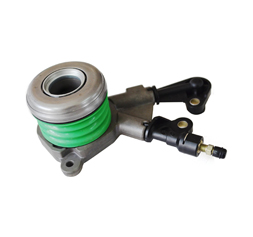
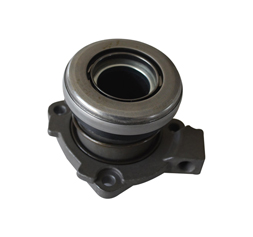
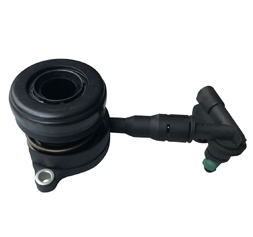
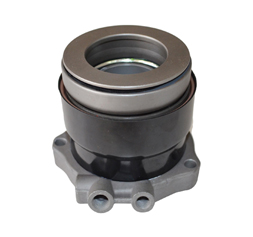
Although commonly associated with passenger vehicles, a car clutch bearing represents the same fundamental function as clutch release bearings used across various vehicle platforms. The bearing supports smooth clutch operation by reducing friction during clutch engagement and disengagement.
A high-quality clutch bearing helps prevent:
Release system wear
Noise during clutch operation
Difficult shifting
Premature clutch failure
For commercial vehicles, bearing durability is especially important because trucks often experience thousands of clutch cycles throughout their operating life.
Reducing clutch-related expenses requires a combination of proper component selection and proactive maintenance.
Low-cost clutch parts may reduce initial expenses but often increase long-term operating costs due to shorter service life and frequent replacement.
Reliable clutch components should offer:
High load capacity
Heat resistance
Accurate manufacturing tolerances
Consistent friction performance
Compatibility with specific transmission systems
For example, trucks using a MAN truck manual transmission require clutch components engineered to match the transmission design and torque requirements.
Regular inspection can identify clutch issues before they cause vehicle downtime.
Fleet maintenance teams should monitor:
Clutch pedal operation
Gear shifting performance
Abnormal noises
Clutch engagement point changes
Hydraulic or mechanical release system condition
Replacing worn components before failure is usually far less expensive than emergency roadside repairs.
Driver behavior has a significant impact on clutch lifespan.
Practices that reduce clutch wear include:
Avoiding unnecessary clutch slipping
Fully releasing the clutch pedal during driving
Using correct gear selection
Avoiding excessive load during startup
Even the most durable clutch system can experience premature failure if operated incorrectly.
Reliable clutch components contribute to fleet performance in several ways:
Longer-lasting components reduce unexpected failures and keep trucks operating according to schedule.
Durable clutch parts decrease replacement frequency and reduce labor expenses.
Drivers spend less time dealing with shifting problems, breakdowns, and repair delays.
Although premium clutch components may have a higher initial cost, their longer service life often provides better economic value over the vehicle lifecycle.
Manual transmission trucks rely heavily on clutch performance because drivers frequently control gear changes under varying loads.
Heavy-duty systems such as the MAN truck manual transmission operate under demanding conditions, including:
High torque output
Heavy cargo loads
Long-distance driving
Frequent stop-and-go operation
A weak clutch component can affect not only vehicle performance but also the entire transmission system. Excessive clutch wear may increase stress on gears, synchronizers, and other drivetrain components.
Selecting clutch components designed for heavy-duty applications helps maintain transmission reliability and minimize unexpected repairs.
Fleet managers should evaluate several factors when choosing clutch solutions:
Components must match the truck model, transmission type, and operating conditions.
Advanced friction materials and durable bearings improve resistance to heat and wear.
Accurate production processes ensure proper fitment and reliable operation.
Working with an experienced clutch manufacturer helps fleets receive consistent quality, technical support, and application-specific solutions.
To maximize clutch lifespan, fleets should combine quality parts with proper operating practices:
Use components from reliable manufacturers
Schedule regular clutch inspections
Replace worn bearings and related parts promptly
Avoid excessive vehicle overloading
Maintain correct driving techniques
Keep transmission systems properly serviced
A complete approach is more effective than replacing individual parts after failure occurs.
Truck fleets depend on reliable clutch components to maintain vehicle availability, control maintenance costs, and improve operational efficiency. Components such as clutch discs, pressure plates, and bearings play a critical role in ensuring smooth power transmission and reducing unexpected downtime.
For heavy-duty vehicles, including trucks equipped with MAN truck manual transmission systems, selecting durable and precisely engineered clutch components is essential for long-term reliability.
By combining high-quality clutch parts, preventive maintenance, and proper driving practices, fleet operators can significantly improve uptime and achieve better total cost performance.
Replacement intervals depend on vehicle usage, load conditions, and driving habits. Regular inspections are recommended.
Common causes include excessive wear, overheating, improper operation, and low-quality components.
A clutch bearing reduces friction during clutch operation and ensures smooth engagement and disengagement.
Using reliable parts, performing preventive maintenance, and training drivers can reduce repair expenses.
No. Components must be specifically matched to the truck model and transmission specifications.
 English
 Español
 português