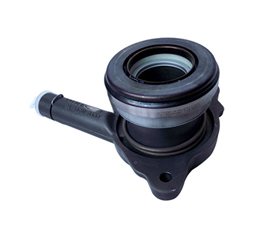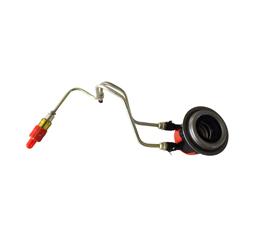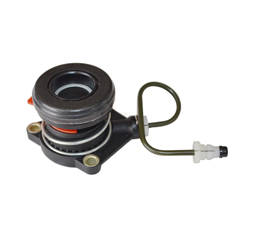

A failing hydraulic clutch bearing commonly causes a soft or sinking clutch pedal, difficult gear engagement, hydraulic fluid leakage, abnormal bearing noise, or incomplete clutch disengagement. Because many hydraulic release bearing assemblies are installed inside the transmission bellhousing, early diagnosis is important—a small hydraulic failure can become a labor-intensive transmission removal job.
If leakage, pedal pressure loss, or bearing noise is confirmed, replacement is normally preferable to continued operation.
The most common warning signs include:
A pedal that gradually loses resistance often indicates that the hydraulic system cannot maintain pressure. Internal seal wear in the hydraulic release bearing can allow fluid to bypass or leak, reducing the force available to disengage the clutch.
If the pedal returns slowly or remains on the floor, hydraulic pressure may already be severely compromised. Pumping the pedal can sometimes temporarily improve the condition, but it does not solve the underlying problem.
When the hydraulic clutch bearing cannot achieve its required release travel, the clutch may remain partially engaged. Drivers may experience:
Difficulty selecting first or reverse
Gear grinding
Hard shifting
Vehicle creep with the clutch pedal depressed
These symptoms should also be checked against clutch disc, pressure plate, master cylinder, and hydraulic-line faults before the bearing is replaced.
Many modern vehicles use a concentric slave cylinder design that integrates the hydraulic mechanism and release bearing around the transmission input shaft.
When its seals fail, fluid may appear around the lower bellhousing or drain opening. A falling fluid level without an obvious external hydraulic-line leak is another reason to inspect the internal release system.
Whirring, humming, grinding, or rough rotational noise that changes when the clutch is operated can indicate release-bearing wear.
However, noise diagnosis must be performed carefully because input-shaft bearings, clutch components, and gearbox bearings can produce similar symptoms.
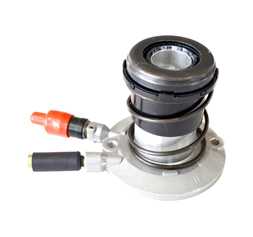
Several factors can shorten the service life of a hydraulic release bearing.
Seal deterioration: Heat, contamination, aging, and unsuitable hydraulic fluid can damage internal seals.
Bearing wear: Continuous loading, poor alignment, or long operating periods can damage bearing surfaces.
Contaminated hydraulic fluid: Dirt and degraded fluid can affect seals and hydraulic surfaces.
Incorrect installation: Misalignment, damaged seals, improper hydraulic-line connection, or incorrect mounting can cause premature leakage.
Worn clutch components: A heavily worn clutch may change release travel and operating loads, forcing the hydraulic unit to work outside its ideal range.
Repeated bearing failure should therefore trigger inspection of the complete clutch system rather than simply installing another bearing.
Continued driving is not recommended when the unit is leaking or the clutch pedal is losing hydraulic pressure.
A progressive hydraulic failure can eventually prevent the clutch from disengaging. This may make gear selection difficult or impossible and can leave the vehicle immobilized.
Minor bearing noise without hydraulic pressure loss should still be inspected promptly. Once transmission removal is required, delaying repair rarely provides a meaningful cost advantage.
Replacement is appropriate when inspection confirms:
Hydraulic fluid leakage from the bearing assembly
Internal pressure loss
Excessive bearing noise or roughness
Damaged seals or connections
Insufficient release travel caused by the unit
Physical damage during clutch removal
For workshops and distributors, selecting the replacement by OE number, vehicle application, transmission type, dimensions, connection design, and release specifications is safer than relying on appearance alone.
KGC offers hydraulic clutch bearing products with OE cross-reference information for multiple vehicle applications, making accurate part identification easier for aftermarket buyers.
In many applications, yes.
When the hydraulic clutch bearing is located inside the transmission bellhousing, accessing it requires substantial labor. If the transmission has already been removed for clutch replacement, installing a new hydraulic release bearing can reduce the risk of paying for the same labor again if the older hydraulic unit fails later.
Likewise, if bearing failure requires transmission removal and the clutch disc or pressure plate already shows significant wear, replacing the relevant clutch components at the same time may be more economical.
The decision should be based on component condition, mileage, application, and labor cost rather than an automatic replacement rule.
Yes. Air must be removed from the hydraulic circuit after opening the system.
Air trapped inside the system can produce:
A spongy clutch pedal
Incomplete clutch disengagement
Excessive pedal travel
Difficult gear selection
Bleeding procedures vary by vehicle. Some systems can be manually bled, while others may require pressure bleeding or a manufacturer-specific procedure.
Avoid repeatedly forcing the bearing beyond its intended travel during bleeding, and always follow the vehicle manufacturer's service instructions.
Before fitting a new hydraulic release bearing:
Verify the OE reference and transmission application.
Inspect the clutch disc, pressure plate, and mating surfaces.
Check hydraulic lines and connectors for damage or contamination.
Keep the new bearing and hydraulic ports clean during installation.
Use the specified hydraulic fluid.
Tighten mounting hardware to the manufacturer's specification.
Bleed the system completely before operating the vehicle.
Confirm correct clutch disengagement and check for leaks before returning the vehicle to service.
Correct installation is especially important because an internal hydraulic bearing normally requires transmission removal if a leak develops later.
A failing hydraulic clutch bearing should not be diagnosed from one symptom alone. Pedal feel, fluid condition, leakage, release travel, clutch condition, and bearing noise should all be evaluated before replacement.
For aftermarket distributors and repair professionals, accurate OE cross-referencing and consistent product quality are equally important. A correctly matched hydraulic release bearing, installed with a properly inspected clutch system, helps reduce repeat repairs, hydraulic leaks, and unnecessary vehicle downtime.
Look for declining hydraulic fluid levels and fluid around the transmission bellhousing. A soft pedal combined with unexplained fluid loss is a strong reason to inspect the internal release system.
Yes. If the bearing assembly cannot generate sufficient release movement, the clutch may not fully disengage, making gear selection difficult.
A severely worn, misaligned, or malfunctioning release system can affect clutch operation and may contribute to additional wear. The pressure plate, clutch disc, and release system should therefore be inspected together.
If the bearing is internal and requires transmission removal for access, replacement during clutch service is usually worth considering, especially when the existing unit has significant mileage.
Use the OE number first, then confirm vehicle model, production year, engine, transmission, mounting design, hydraulic connection, and relevant dimensions. For wholesale or aftermarket sourcing, provide these details to the supplier before ordering.
 English
 Español
 português